
Bridging Borders: A Successful Confluence of Private Sector and Government Initiatives in the Taiwan-Japan Business Exchange and Negotiation Meeting
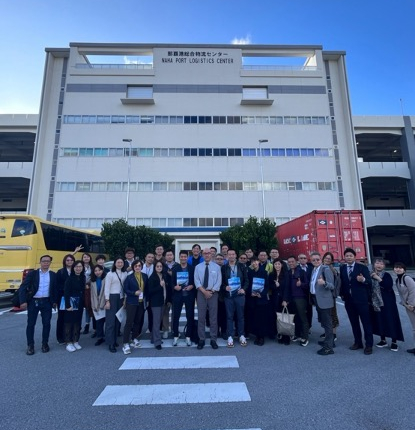
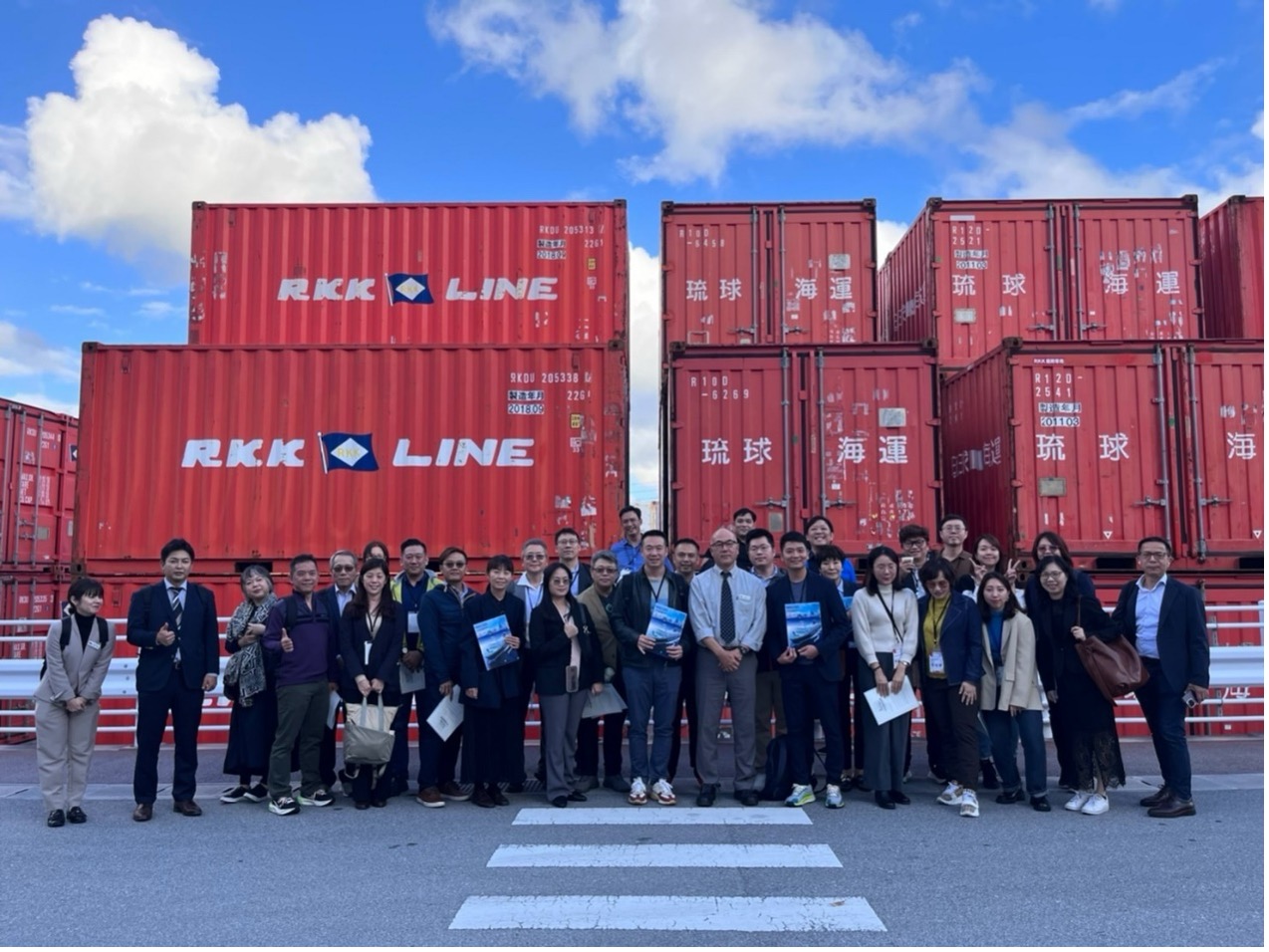
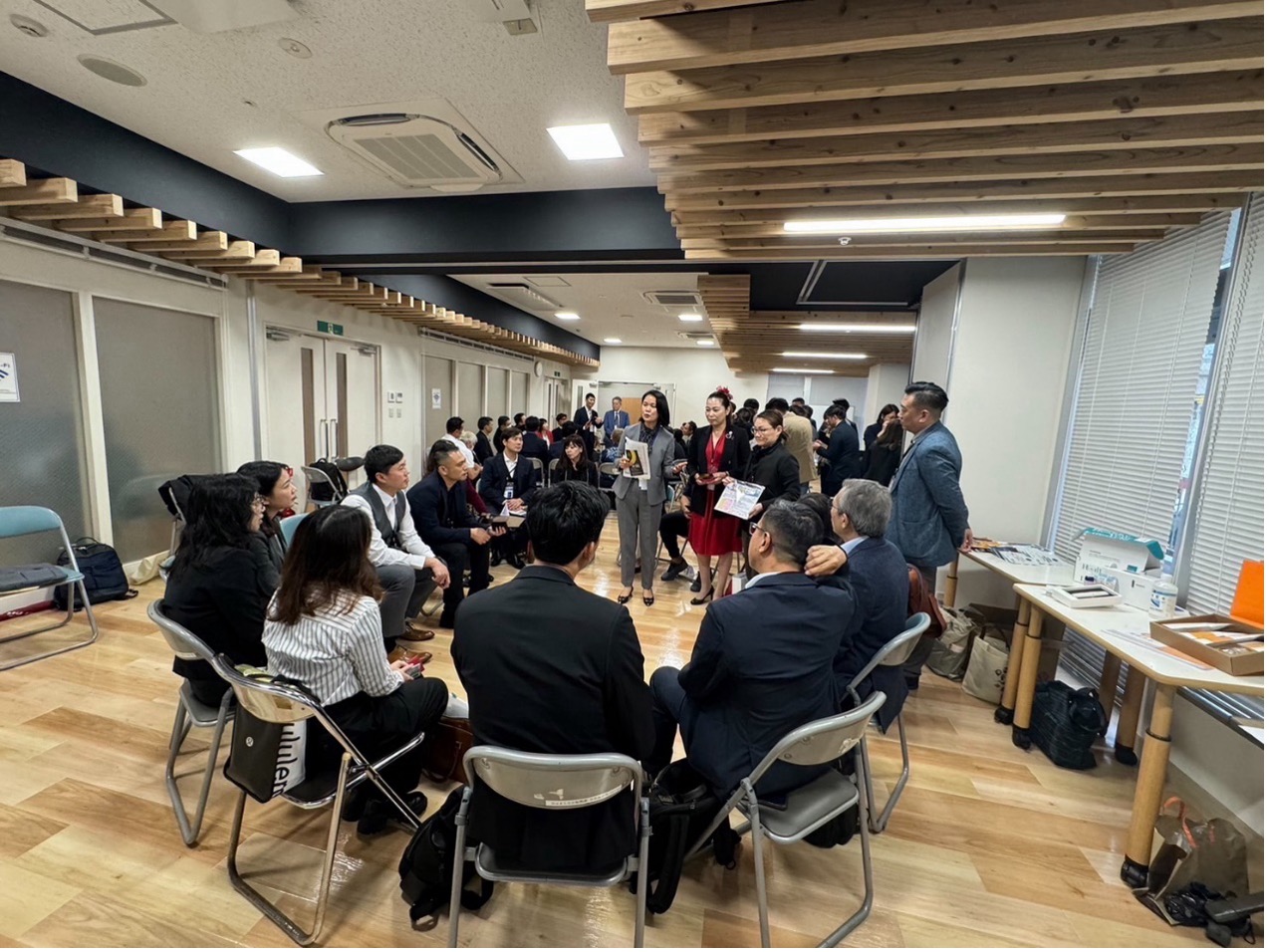
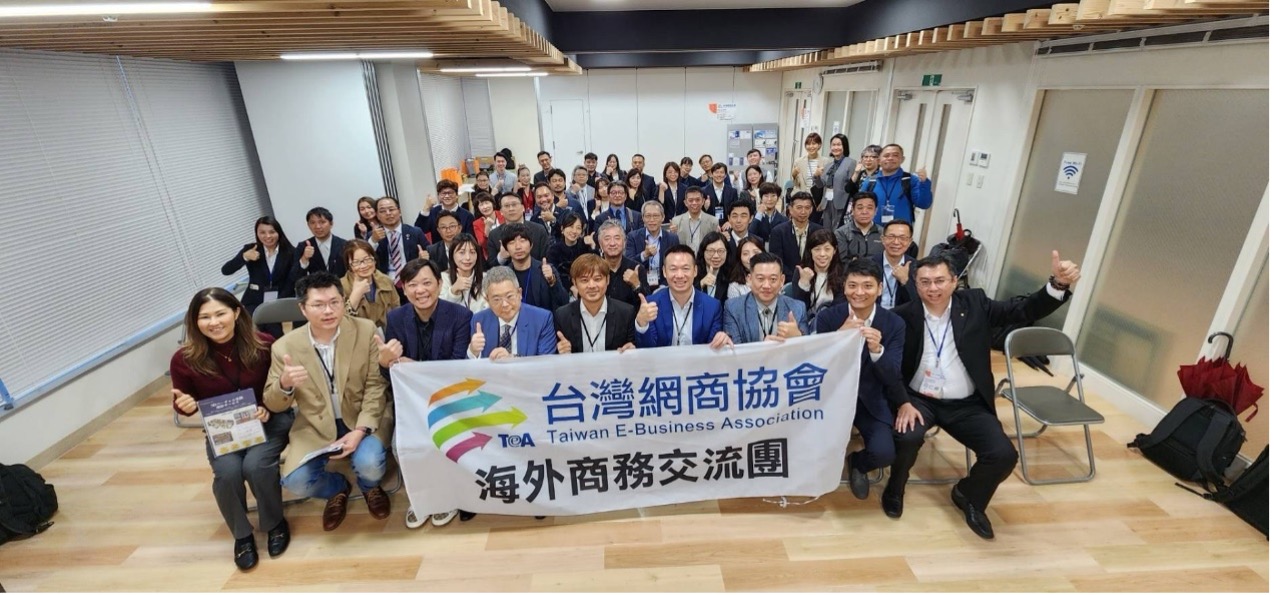
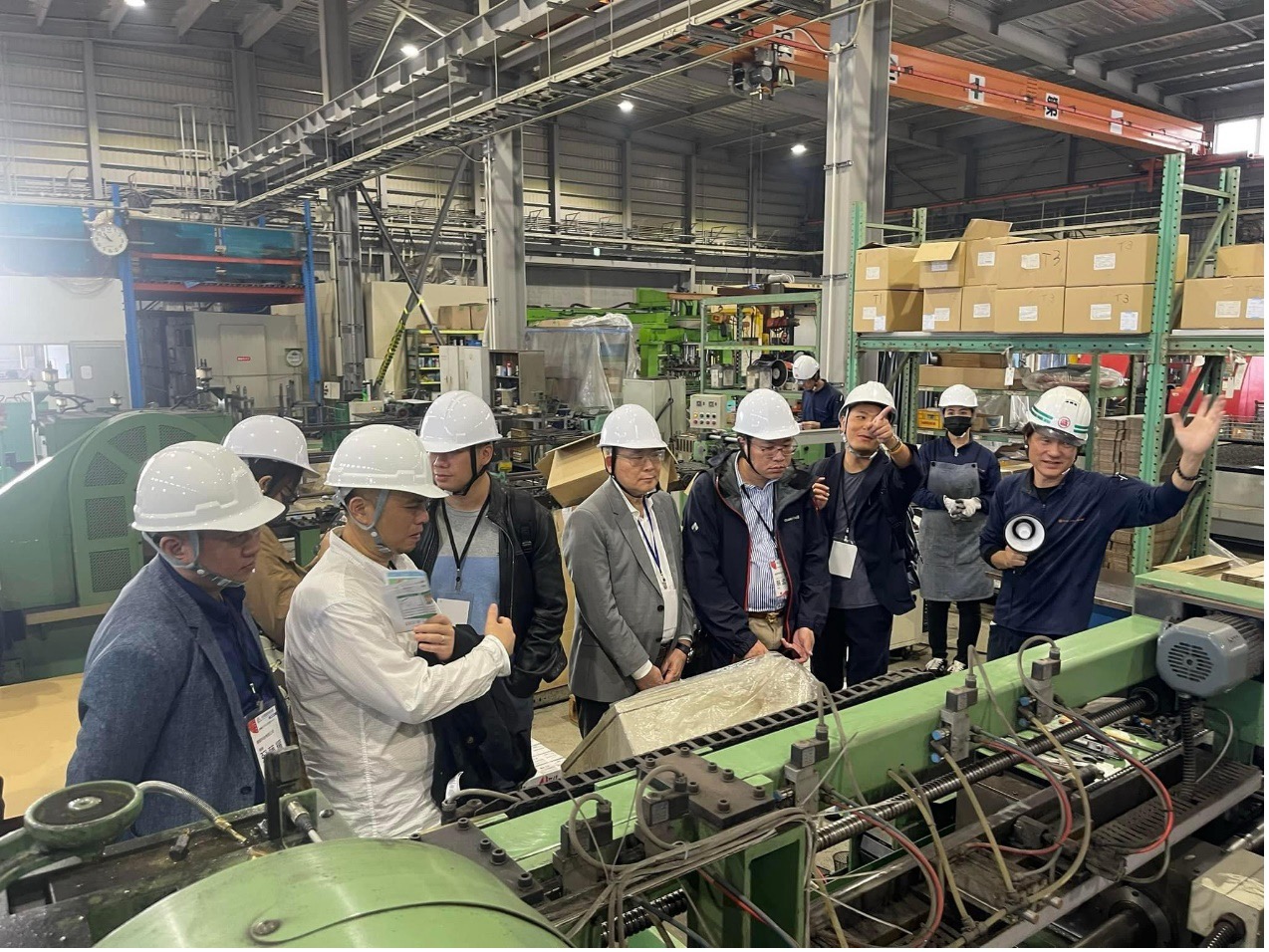
The Okinawa E-Commerce Council and the Taiwan E-Business Association held a business meeting on December 4th at the First Makishi Public Market in Matsuo, Naha City. The purpose of the meeting was to facilitate collaboration between Taiwanese and Okinawan businesses. Twenty-four companies from Taiwan, represented by 29 individuals, participated in the event, showcasing advanced technologies and a keen interest in conducting business and investments in Japan and Okinawa. Twenty companies from Okinawa, along with local government officials, totaling 25 representatives from Japanese government and business sectors, also attended the event.
The Council and the Association signed an agreement in 2020 to establish a framework for e-commerce exchanges between Okinawa and Taiwan. However, due to the impact of the coronavirus, these exchanges had been conducted online until this face-to-face meeting. Representative from Okinawa E-Commerce Council expressed, “This may be the first time in the country that a face-to-face exchange and business meeting for transnational e-commerce companies has been held. We hope this will promote the development of both parties.”
Ching Yuang Enterprise Co., Ltd. played a key role in organizing the meeting. Regardless of whether it was representatives from the Okinawan local government or Taiwanese businesses, they all gave positive feedback, expressing hope for deeper business exchanges between Taiwan and Okinawa in the future.


100% Made in Taiwan Turbofan Suit Dryer for Firefighting and Protective Gear
NewsFor fire departments, rescue teams, factories, and other high-risk operations, dry protective gear is more than a matter of comfort—it supports readiness for the next assignment. Product origin, specification compliance, and supply-chain transparency are also increasingly important to government and enterprise procurement teams. Ching Yuang provides a verifiable, locally manufactured solution for organizations seeking dependable professional garment drying equipment.
A 100% Made-in-Taiwan Turbofan Suit Dryer
Ching Yuang’s UF306DRY turbofan suit dryer is designed, manufactured, and assembled in Taiwan. Its core turbofan is manufactured by affiliated company Chung Yi Hardware. The system balances airflow and static pressure so that air can inflate wet, heavy garments and reach inner layers and areas that are difficult to dry.
Instead of relying on high-temperature heat, the unit circulates air near ambient temperature. This approach helps reduce the risk of heat-related damage to specialized fabrics, coatings, reflective materials, and protective structures. For organizations that wash and reuse technical garments frequently, it offers a practical balance between drying performance, energy use, and garment care.
What Types of Gear Can It Dry?
After training, emergency response, or routine cleaning, faster drying can shorten equipment turnaround time. This is particularly valuable when crews face back-to-back assignments and need clean, dry garments ready for use.
High Static Pressure with Low Power Consumption
The UF306DRY uses high static pressure to maintain stable airflow through wet garments. Rated power consumption is approximately 170 W, supporting effective drying without the energy demand of a high-heat drying system. Its modular design also supports assembly, transport, and flexible placement in fire stations, factories, equipment rooms, or mobile operations.
Actual drying time varies according to garment material, water content, ambient temperature and humidity, and how the garment is positioned. Users should always follow the cleaning and maintenance instructions provided by the garment manufacturer.
Transparent Origin for Government and Enterprise Procurement
Procurement requirements vary by project and may include country-of-origin documentation, technical specifications, inspection criteria, and after-sales support. By clearly identifying the UF306DRY as 100% made in Taiwan, Ching Yuang helps public agencies, fire and police departments, high-tech manufacturers, and industrial buyers evaluate the product with consistent, verifiable information.
With design, manufacturing, assembly, and service support based in Taiwan, buyers have a direct channel for specifications, procurement documents, maintenance questions, and customized requirements.
For full specifications and application details, visit the Ching Yuang UF306DRY turbofan suit dryer product page. Contact Ching Yuang for project quantities, tender specifications, and custom configurations.
Frequently Asked Questions
Can the turbofan suit dryer be used for firefighter turnout gear?
Yes. Its high-static-pressure airflow helps open wet, heavy garments and move air through interior sections. Always follow the turnout-gear manufacturer’s cleaning and care instructions.
Where is the UF306DRY manufactured?
The Ching Yuang UF306DRY turbofan suit dryer is 100% made in Taiwan. Its core turbofan is manufactured in Taiwan by Chung Yi Hardware.
Does the UF306DRY use heated air?
The system primarily uses air near ambient temperature rather than high-temperature drying, helping protect heat-sensitive garment materials while removing moisture through continuous airflow.
Ching Yuang at Automation Taipei 2026: Industrial Cooling and Stable Power Solutions
Ching YuangChing Yuang concluded a successful four-day showcase at Automation Taipei 2026 and the Taiwan Automation Intelligence and Robot Show (TAIROS), held August 19–22 at Taipei Nangang Exhibition Center Halls 1 and 2.
As two of Taiwan’s most influential industrial technology events, the shows brought together manufacturers, automation specialists, semiconductor companies, and technology leaders focused on Industry 4.0, AI-enabled production, smart factories, robotics, and net-zero manufacturing.
At the Ching Yuang booth, visitors explored three proven Japanese industrial solutions: Suiden portable spot coolers, Shizuoka Seiki evaporative air coolers, and Tokyo Rikosha transformers and automatic voltage regulation equipment. Discussions throughout the show highlighted two increasingly important operational priorities: maintaining safer working temperatures and delivering stable power to sensitive production equipment.
A Practical, Layered Approach to Industrial Cooling
Industrial facilities rarely have a one-size-fits-all cooling requirement. Open production areas, warehouses, loading zones, operator stations, and high-heat equipment each require a different approach. For many facilities, the most effective solution is to combine broad-area evaporative cooling with targeted spot cooling.
Shizuoka Seiki Evaporative Air Coolers
Shizuoka Seiki evaporative air coolers use water evaporation to reduce surrounding temperatures by approximately 3–5°C. Their low power consumption, long air-delivery range, and ability to operate without discharging condenser heat into the work area make them well suited for open factories, warehouses, logistics centers, and other large spaces.
Suiden Portable Spot Coolers
Suiden portable spot coolers deliver focused cold air that can be approximately 10°C below ambient temperature. They are designed for operator workstations, production equipment, and localized high-heat zones where rapid, concentrated cooling is required. Because spot coolers generate condensate and exhaust heat, proper drainage and exhaust planning are essential.
These two technologies serve complementary roles. An evaporative air cooler can improve conditions across a larger area with low energy consumption, while a portable spot cooler provides additional cooling exactly where employees or equipment need it most. Used together, they can help manufacturers balance worker comfort, cooling performance, and operating cost.
Stable Power for Semiconductor and Smart Manufacturing Operations
As Taiwan’s semiconductor and electronics industries continue to expand, voltage stability and power quality have become critical to production reliability. Precision machinery, automated systems, and sensitive electronic equipment may require voltage step-up or step-down, automatic voltage regulation, power conditioning, and backup power planning.
Ching Yuang represents Tokyo Rikosha, a Japanese manufacturer with more than a century of electrical engineering expertise. Its made-in-Japan portfolio includes transformers, automatic voltage regulators, power controllers, and related power-stabilization equipment for semiconductor manufacturing, electronics production, industrial machinery, and automated production lines.
Supporting More Reliable Industrial Operations
Ching Yuang thanks every visitor and industry professional who joined us at Automation Taipei 2026. We will continue to bring dependable Japanese industrial technologies to Taiwan and provide application-based recommendations for industrial cooling, air quality, stable power, and smart manufacturing.
For assistance with factory cooling, portable spot coolers, evaporative air coolers, transformers, or voltage regulation solutions, please contact Ching Yuang. Our team can help evaluate your operating environment and identify a practical solution for your facility.
Event information: Automation Taipei and TAIROS.
Taiwan Labor Authorities Highlight Heat Stress Risks: Ching Yuang Supports Safer Workplace Cooling Strategies
Ching YuangAs extreme heat becomes a more serious operational risk, Taiwan’s Ministry of Labor and the Occupational Safety and Health Administration have continued to call on employers to strengthen heat stress prevention for outdoor and high-temperature work environments. A recent Public Television Service report covered a heat hazard prevention and technology-based disaster reduction demonstration, where labor authorities emphasized the need for employers to improve on-site protection, cooling measures, rest areas, and follow-up inspections.
For business owners and site managers, the message is clear: heat stress is no longer only a seasonal comfort issue. It is a workplace safety, productivity, and business continuity concern. Construction sites, logistics yards, warehouses, factories, maintenance areas, agricultural facilities, outdoor events, and semi-open production spaces can all expose workers to elevated temperatures, direct sunlight, poor ventilation, and accumulated radiant heat. Without proper planning, these conditions may increase the risk of heat exhaustion, heat illness, fatigue, reduced concentration, and operational disruption.
According to Taiwan’s occupational safety guidance, employers should consider measures such as reducing workplace temperature, providing shaded rest areas, offering sufficient drinking water or appropriate beverages, adjusting work schedules, increasing site inspections, monitoring worker health, and preparing emergency response procedures. When heat risk reaches a higher level, the workplace should also consider practical cooling facilities such as shading, fans, water mist systems, and air-conditioned or well-ventilated rest spaces. In other words, heat prevention requires more than reminding employees to drink water. It requires a practical combination of equipment, site layout, and management discipline.
Planning Cooling Around Real Work Conditions
Ching Yuang Enterprise Co., Ltd. works with industrial and commercial customers that face very different site conditions. A metal-roof factory that stores afternoon heat requires a different approach from a loading dock, an outdoor repair area, or a temporary construction rest station. Before selecting equipment, Ching Yuang recommends that companies identify high-risk zones, review worker dwell time, check air circulation, confirm power availability, and understand whether the cooling equipment needs to be fixed, portable, or frequently repositioned.
Shizuoka Evaporative Coolers for Large and Semi-Open Areas
Ching Yuang represents Shizuoka evaporative cooling solutions for work areas that require strong airflow and flexible deployment. These coolers are well suited for factories, warehouses, logistics areas, maintenance shelters, and semi-open workstations where conventional fixed air-conditioning may not be practical. By combining airflow with evaporative cooling, Shizuoka coolers can help reduce the feeling of heat and improve air movement in larger work environments.
Suiden Spot Coolers for Targeted Cooling
For locations that need focused cooling near workers or equipment, Suiden portable spot coolers provide a practical option. They can be used around production lines, machine-side work areas, inspection stations, guard rooms, temporary offices, and rest areas where permanent air-conditioning is difficult to install. Targeted cooling can also help companies create cooling points for workers during high-risk periods.
Misting Fans and Industrial Airflow Solutions
Misting fans and industrial fan solutions from Chung Yi are especially relevant for outdoor and semi-outdoor applications, including temporary shelters, loading areas, agricultural facilities, event spaces, and construction-related work zones. By combining airflow with fine mist, these systems can support practical heat reduction in spaces where natural ventilation is available and full enclosure is not possible.
Lighting as Part of a Safer Work Environment
Cooling is only one part of workplace safety. When companies add shade structures, temporary rest areas, or night-shift work zones, visibility also matters. Ching Yuang’s professional lighting equipment can support safer work conditions by improving visibility in shaded, temporary, or low-light areas. A stronger heat stress strategy should therefore consider cooling, ventilation, lighting, rest areas, and workflow together.
From company profile and product applications to customer cases and exhibition demonstrations, Ching Yuang continues to build its reputation around practical industrial equipment solutions. For companies reviewing summer safety plans, Ching Yuang can support discussions around workplace cooling equipment, portable spot cooling, evaporative cooling, misting fans, industrial ventilation, and worksite lighting. As heat stress becomes a recurring business risk, proactive planning helps protect workers, reduce operational interruptions, and create a safer, more reliable work environment.