Bridging Borders: A Successful Confluence of Private Sector and Government Initiatives in the Taiwan-Japan Business Exchange and Negotiation Meeting
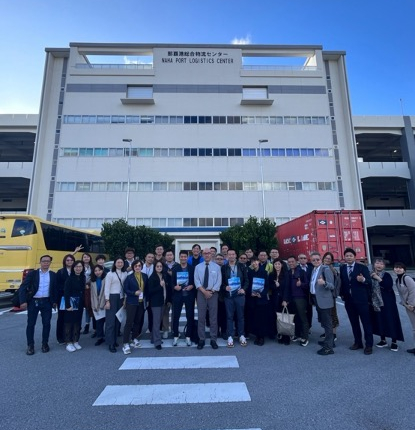
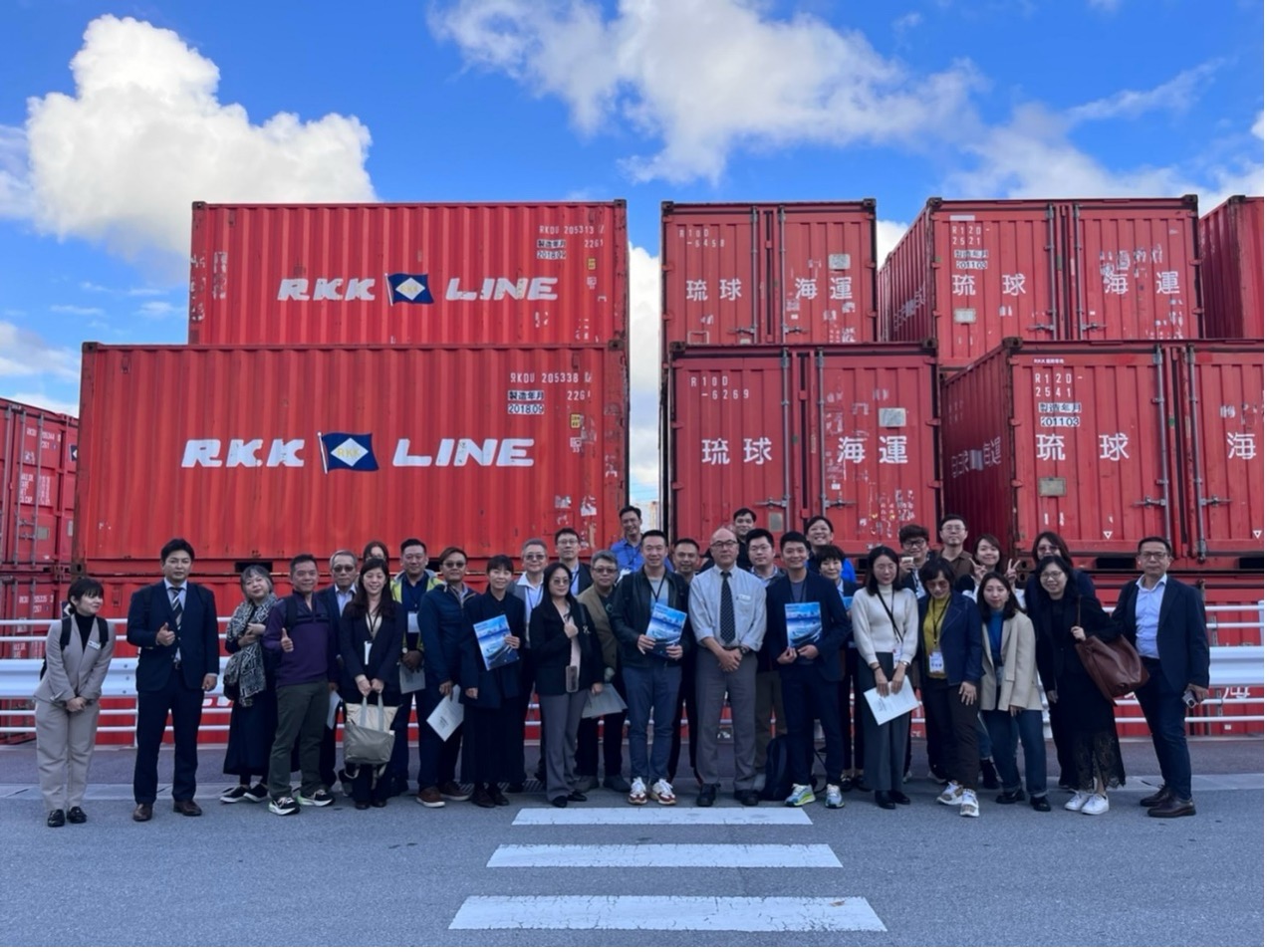
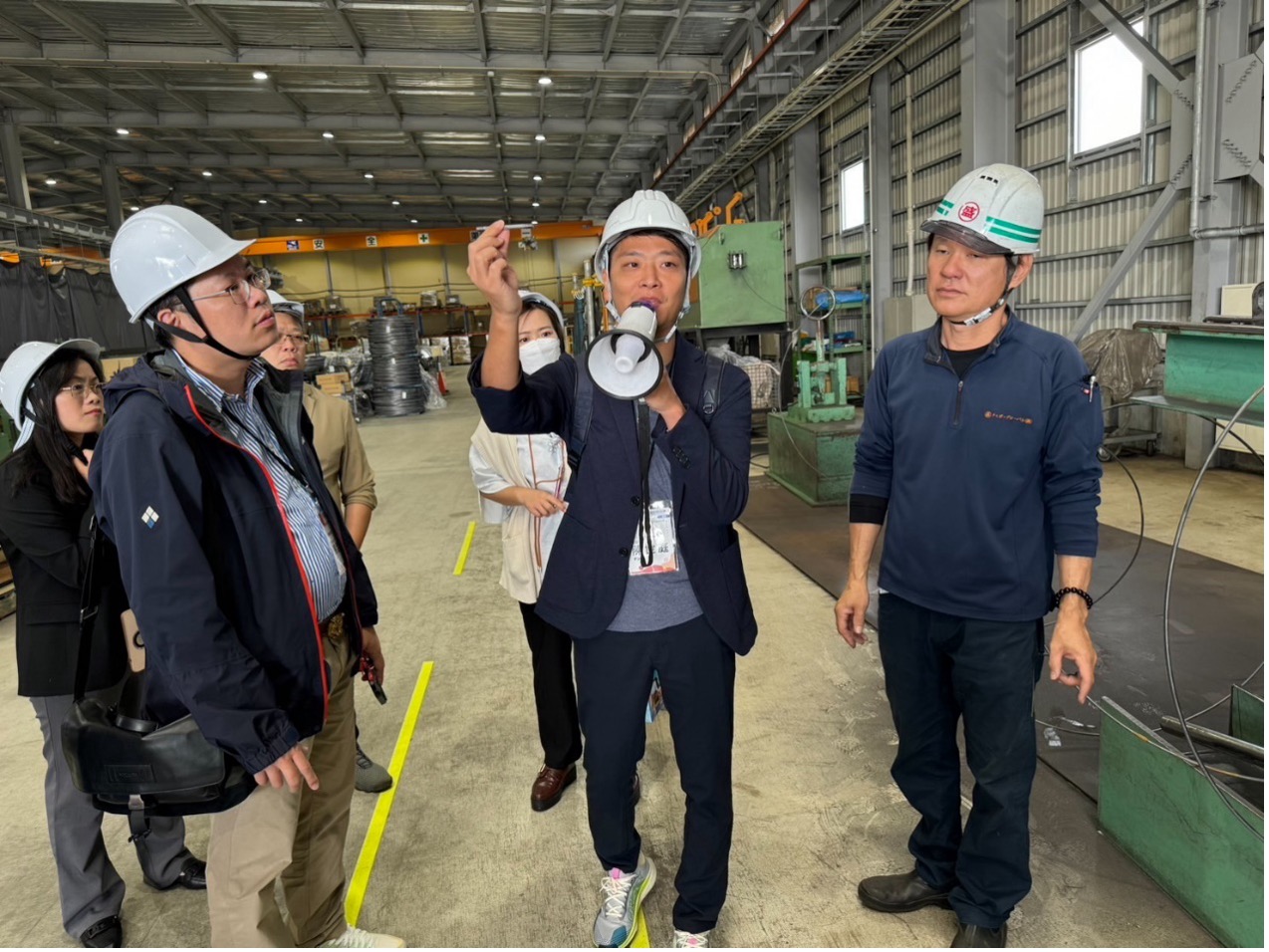
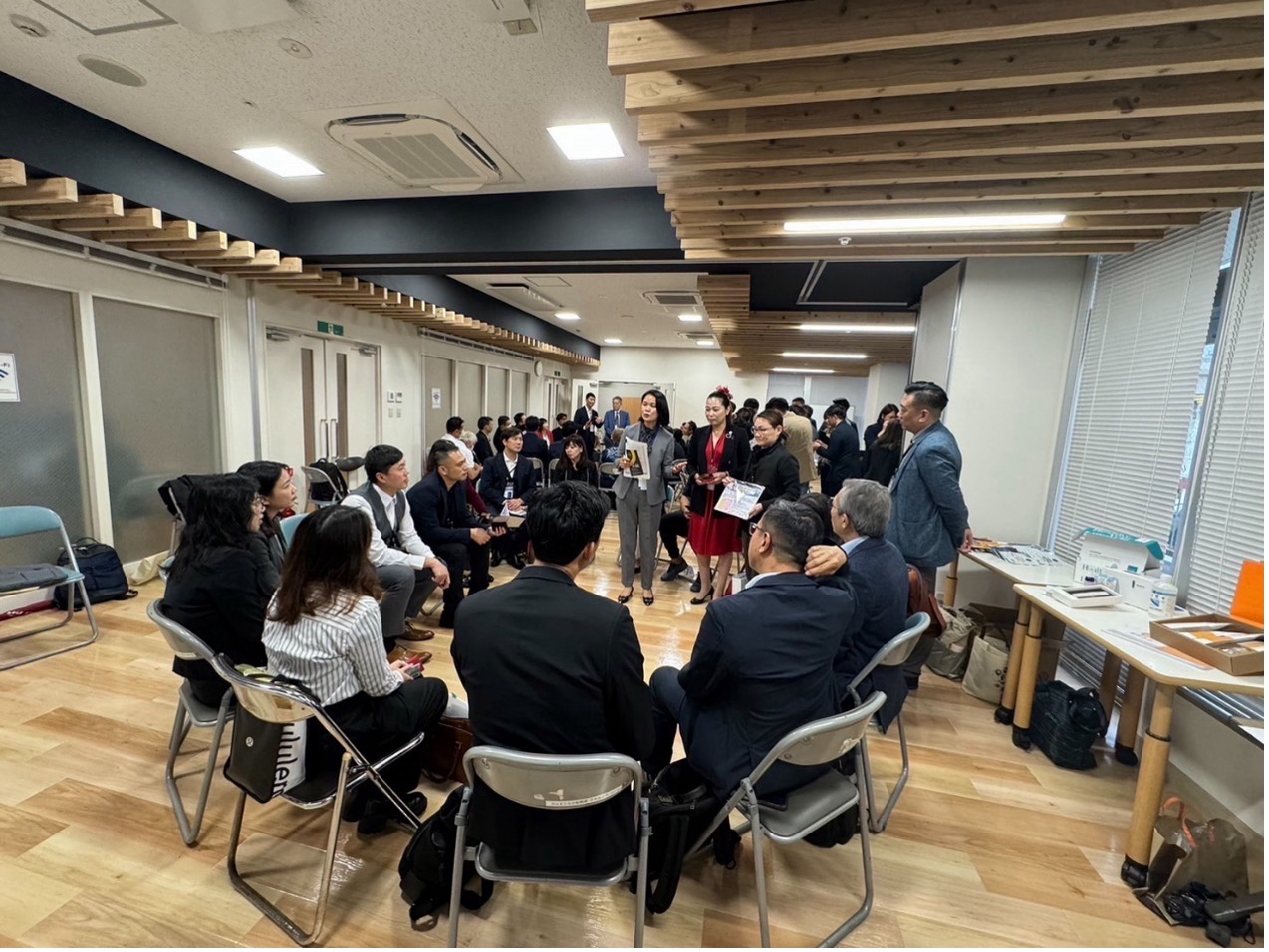
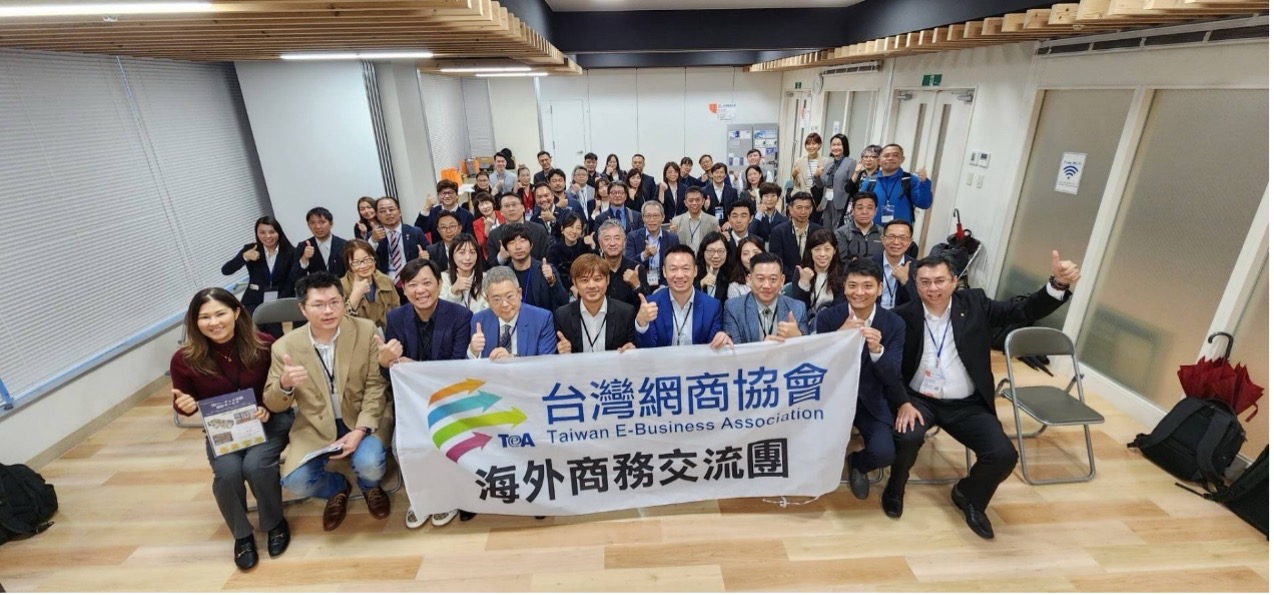
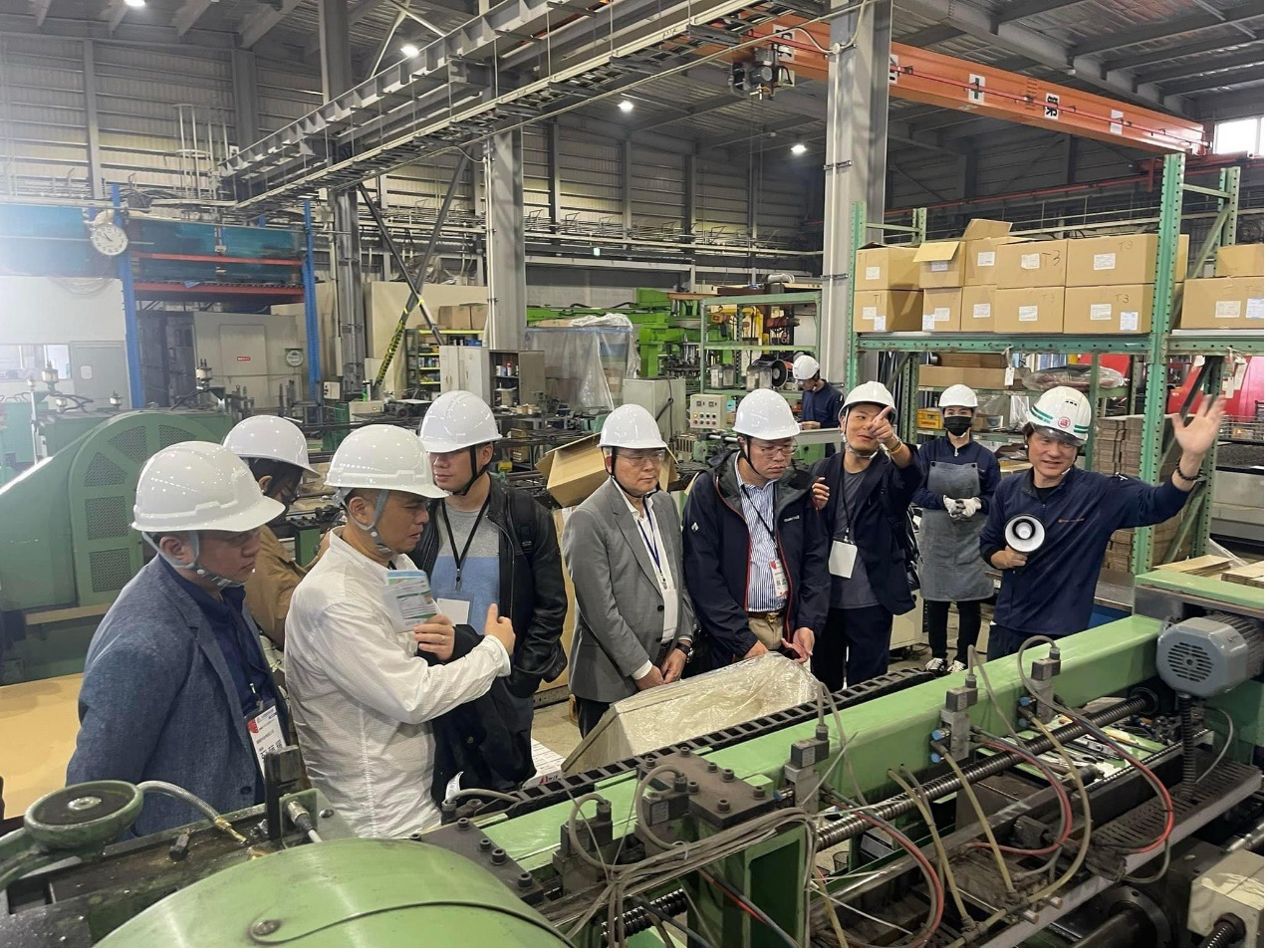
The Okinawa E-Commerce Council and the Taiwan E-Business Association held a business meeting on December 4th at the First Makishi Public Market in Matsuo, Naha City. The purpose of the meeting was to facilitate collaboration between Taiwanese and Okinawan businesses. Twenty-four companies from Taiwan, represented by 29 individuals, participated in the event, showcasing advanced technologies and a keen interest in conducting business and investments in Japan and Okinawa. Twenty companies from Okinawa, along with local government officials, totaling 25 representatives from Japanese government and business sectors, also attended the event.
The Council and the Association signed an agreement in 2020 to establish a framework for e-commerce exchanges between Okinawa and Taiwan. However, due to the impact of the coronavirus, these exchanges had been conducted online until this face-to-face meeting. Representative from Okinawa E-Commerce Council expressed, “This may be the first time in the country that a face-to-face exchange and business meeting for transnational e-commerce companies has been held. We hope this will promote the development of both parties.”
Ching Yuang Enterprise Co., Ltd. played a key role in organizing the meeting. Regardless of whether it was representatives from the Okinawan local government or Taiwanese businesses, they all gave positive feedback, expressing hope for deeper business exchanges between Taiwan and Okinawa in the future.


TAF-Accredited Fan Testing Lab in Taiwan | Ching Yuang
Ching YuangPublished airflow ratings do not always tell the full story of how a fan will perform in an actual system. Duct resistance, installation configuration, inlet and outlet geometry, rotational speed, and electrical conditions can all affect airflow, pressure, power input, and efficiency. For fan manufacturers, equipment developers, engineering teams, and procurement professionals, performance data generated under a defined test method provides a stronger foundation for design decisions and technical communication.
Located in New Taipei City, Taiwan, Ching Yuang’s Wind Tunnel Laboratory—Laboratory No. 4269—has been assessed and accredited by the Taiwan Accreditation Foundation (TAF) against ISO/IEC 17025 requirements. The laboratory focuses on performance testing for fans and related air-moving equipment, helping customers understand product behavior through measured data.
Why Fan Performance Testing Matters
Fan performance cannot be evaluated from one airflow value alone. As system resistance changes, airflow and pressure change as well. Testing at multiple operating points helps establish a performance curve and provides a more useful picture of how the unit behaves across its expected operating range.
Depending on the product, test objective, and applicable method, a wind tunnel test may record airflow, static pressure, rotational speed, voltage, current, input power, and related efficiency data. These results may support product development, design verification, model comparison, operating-point analysis, investigation of airflow or energy-use concerns, and preparation of technical information requested by customers or procurement teams.
Test results apply to the submitted sample under the stated setup and test conditions. Changes to the motor, impeller, enclosure, speed, or installation configuration may require additional evaluation before the original results can be applied to a modified product.
Two Wind Tunnel Systems for Different Fan Categories
Ching Yuang’s laboratory has two wind tunnel systems. The first is designed primarily for compact precision cross-flow fans and supports test airflow up to 900 CFM (25 CMM). Cross-flow fans are commonly used in air-conditioning equipment, air-circulation products, electronics cooling, and internal ventilation assemblies. Because dimensions and flow-path configurations vary, sample size, inlet and outlet geometry, and mounting requirements should be reviewed before testing.
The second system can accommodate selected axial-flow fans, multi-blade fans, and exhaust fans, with test airflow up to 12,350 CFM (350 CMM). Actual eligibility depends on fan dimensions, required fixtures, test configuration, equipment capacity, and the requested method.
Evaluating Test Methods Under AMCA 210, ISO 5801, and CNS 7778
Fan testing requires a clearly defined configuration, set of measurements, operating conditions, and data-reduction method. Based on the customer’s objective and the laboratory’s accredited scope, Ching Yuang can evaluate the applicability of methods associated with ANSI/AMCA 210, ISO 5801, and CNS 7778.
Not every fan can be tested under the same setup. The applicable method and configuration depend on the product type, dimensions, installation boundary, required test points, and intended use of the report. Before accepting a project, the laboratory reviews the technical information and confirms the proposed setup, mounting requirements, measurements, and reporting format.
If the report is intended for regulatory documentation, a public tender, procurement approval, or third-party review, customers should disclose those requirements during the quotation stage. This allows the laboratory to confirm whether the requested method and report format are covered by its current accredited scope.
Turning Manufacturing Experience Into Measured Data
For product engineers, wind tunnel testing can help compare changes in impeller geometry, motor selection, housing design, and airflow paths. For buyers and equipment users, measured performance data supports a more informed comparison than catalog ratings or subjective observations alone.
Ching Yuang has long been involved in fan manufacturing, application engineering, and performance improvement. The laboratory extends that experience into structured measurement and verification. In addition to commissioned performance testing, the technical team can discuss project-specific needs involving development analysis, performance investigation, and fan optimization.
Information to Provide Before Requesting a Test
After receiving the information, the laboratory will evaluate equipment capacity, accredited scope, mounting requirements, and test conditions. If a custom fixture or transition section is required, it will be discussed before testing begins.
Frequently Asked Questions
Can every type of fan be tested?
Testing feasibility depends on fan type, size, airflow range, mounting arrangement, electrical requirements, and the requested method. Product drawings and electrical specifications should be submitted for an initial review.
Is a TAF-accredited test report the same as product certification?
No. A test report presents results for a defined sample under stated conditions and methods. Product certification, regulatory compliance, and procurement acceptance remain subject to the applicable authority, certification body, or purchasing organization.
How can a company request an evaluation and quotation?
Provide the fan model, dimensions, rated electrical data, target test range, requested standard, report purpose, quantity, and schedule. The laboratory will review the information and confirm the test items that can be performed.
Looking for a Fan Testing Laboratory in Taiwan?
Send Ching Yuang your product information and testing requirements for an initial technical review.
Explore Our Wind Tunnel Laboratory
Testing capabilities, accredited items, report statements, and use of accreditation marks are subject to the laboratory’s current TAF-accredited scope and the formal review of each project.
CY00A003 MEWP Anti-Entrapment Warning Bar
NewsMobile elevating work platforms (MEWPs) improve productivity at height, but operators must constantly monitor overhead beams, ceilings, piping, and other fixed structures. To provide a clear warning when the platform gets too close to surrounding objects, Ching Yuang developed the CY00A003 MEWP anti-entrapment warning bar—a contact-activated visual and audible alert device for aerial work platforms.
Entrapment incidents can have severe consequences
During platform elevation or travel, an operator may become trapped between the guardrail or control panel and an overhead structure. The International Powered Access Federation (IPAF) classifies these events as entrapment incidents.
According to the IPAF Global Safety Report 2025, 28 entrapment incidents involving 28 people were reported in 2024, resulting in 21 fatalities. Compared with 2023, reported incidents increased from 16 to 28, while fatalities increased from 13 to 21. Reports came from 11 countries and regions. The United States and Hong Kong each accounted for approximately 18% of the reports, followed by South Korea at 14%. Category 3a mobile vertical platforms represented 54% of the incidents, and category 3b mobile boom platforms represented 43%.
In Taiwan, the Institute of Labor, Occupational Safety and Health reviewed 20 major MEWP-related occupational accidents from 2018 through August 2022. The cases included 15 falls, three caught-in or caught-between incidents, one struck-by incident, and one traffic accident. The reviewed cases included operators trapped between a platform control panel and steelwork, as well as between a guardrail and a floor beam.
Related safety data from the United Kingdom, United States, and Japan
A UK Health and Safety Executive (HSE) study recorded 19 MEWP entrapment or crushing incidents in the United Kingdom between September 2011 and April 2015. Public U.S. Occupational Safety and Health Administration (OSHA) records identified 14 related incidents between 2010 and May 2015. Neither dataset included scissor lifts. The findings show that similar MEWP entrapment hazards have occurred in both the United Kingdom and the United States, reinforcing the need for effective warnings and jobsite risk controls near beams, slabs, and other fixed structures.
Japan’s Ministry of Health, Labour and Welfare reported 110 fatalities in caught-in, caught-between, or entanglement incidents across all industries in 2024. The total covers many types of workplaces and equipment and may include MEWP-related events, but it does not identify a separate MEWP count. The broader data nevertheless highlights the continuing need to address entrapment hazards in industrial operations.
Why Ching Yuang developed the CY00A003
These incidents underscore a practical reality: when conditions change within seconds, the warning must be immediate and easy to recognize. Ching Yuang developed and manufactures the CY00A003 to add a direct contact-activated alert to established safety practices, including operator training, pre-job planning, risk assessment, and emergency response procedures.
When the sensor rod contacts an overhead or surrounding object, the unit flashes a blue LED and sounds an audible alarm to alert the operator and nearby personnel. The CY00A003 is designed as a supplemental warning device. It does not replace operator awareness, legally required safeguards, or a vehicle’s secondary guarding system.
Immediate visual and audible warning upon contact
The CY00A003 mounts to the guardrail of a MEWP platform. When force is applied to the white sensor rod, the blue warning light flashes and the audible alarm activates. Both alerts stop after the external force is removed. The sensor responds to downward vertical contact and horizontal contact from any direction, making it suitable for installation at the platform corners where appropriate.
A straightforward warning for aerial work platforms
MEWP operators often position the platform while simultaneously performing work and monitoring limited clearance around structural steel, ceilings, piping, and equipment. The CY00A003 combines contact sensing, a flashing blue LED, and an audible alarm in one compact device, giving equipment owners and contractors a straightforward way to add a warning point based on the jobsite environment.
For installation, the top of the sensor rod should be positioned at least 50 cm (19.7 in.) above the operator’s height, with the alarm opening facing the operator. When multiple devices are used, the sensor rods should be installed at a consistent height to establish a uniform warning zone. Final placement should be based on the platform design, guardrail dimensions, manufacturer guidance, and a site-specific risk assessment.
CY00A003 specifications
Use two AA carbon-zinc batteries as specified in the product instructions. Do not use alkaline batteries, which may increase the risk of leakage. Contact Ching Yuang to confirm mounting compatibility, installation requirements, and purchasing information for your equipment.
Frequently asked questions
What does the CY00A003 MEWP anti-entrapment warning bar do?
The CY00A003 is a contact-activated visual and audible warning device mounted to an aerial work platform guardrail. Contact with an overhead or surrounding object activates a flashing blue LED and a 95 dB audible alarm to alert the operator to a potential entrapment hazard.
Does the CY00A003 automatically stop the machine?
No. The CY00A003 is a supplemental warning device. Available product information does not indicate automatic machine shutdown or connection to the vehicle control system. It must be used together with operator training, risk assessment, required safeguards, and emergency procedures.
Where can the CY00A003 be used?
The device is intended for compatible MEWP and aerial work platform guardrails. Installation suitability and placement should be confirmed for each platform model, rail size, operating environment, and jobsite risk assessment.
Sources
Contact Ching Yuang to discuss platform compatibility, installation, and purchasing options.
100% Made in Taiwan Turbofan Suit Dryer for Firefighting and Protective Gear
NewsFor fire departments, rescue teams, factories, and other high-risk operations, dry protective gear is more than a matter of comfort—it supports readiness for the next assignment. Product origin, specification compliance, and supply-chain transparency are also increasingly important to government and enterprise procurement teams. Ching Yuang provides a verifiable, locally manufactured solution for organizations seeking dependable professional garment drying equipment.
A 100% Made-in-Taiwan Turbofan Suit Dryer
Ching Yuang’s UF306DRY turbofan suit dryer is designed, manufactured, and assembled in Taiwan. Its core turbofan is manufactured by affiliated company Chung Yi Hardware. The system balances airflow and static pressure so that air can inflate wet, heavy garments and reach inner layers and areas that are difficult to dry.
Instead of relying on high-temperature heat, the unit circulates air near ambient temperature. This approach helps reduce the risk of heat-related damage to specialized fabrics, coatings, reflective materials, and protective structures. For organizations that wash and reuse technical garments frequently, it offers a practical balance between drying performance, energy use, and garment care.
What Types of Gear Can It Dry?
After training, emergency response, or routine cleaning, faster drying can shorten equipment turnaround time. This is particularly valuable when crews face back-to-back assignments and need clean, dry garments ready for use.
High Static Pressure with Low Power Consumption
The UF306DRY uses high static pressure to maintain stable airflow through wet garments. Rated power consumption is approximately 170 W, supporting effective drying without the energy demand of a high-heat drying system. Its modular design also supports assembly, transport, and flexible placement in fire stations, factories, equipment rooms, or mobile operations.
Actual drying time varies according to garment material, water content, ambient temperature and humidity, and how the garment is positioned. Users should always follow the cleaning and maintenance instructions provided by the garment manufacturer.
Transparent Origin for Government and Enterprise Procurement
Procurement requirements vary by project and may include country-of-origin documentation, technical specifications, inspection criteria, and after-sales support. By clearly identifying the UF306DRY as 100% made in Taiwan, Ching Yuang helps public agencies, fire and police departments, high-tech manufacturers, and industrial buyers evaluate the product with consistent, verifiable information.
With design, manufacturing, assembly, and service support based in Taiwan, buyers have a direct channel for specifications, procurement documents, maintenance questions, and customized requirements.
For full specifications and application details, visit the Ching Yuang UF306DRY turbofan suit dryer product page. Contact Ching Yuang for project quantities, tender specifications, and custom configurations.
Frequently Asked Questions
Can the turbofan suit dryer be used for firefighter turnout gear?
Yes. Its high-static-pressure airflow helps open wet, heavy garments and move air through interior sections. Always follow the turnout-gear manufacturer’s cleaning and care instructions.
Where is the UF306DRY manufactured?
The Ching Yuang UF306DRY turbofan suit dryer is 100% made in Taiwan. Its core turbofan is manufactured in Taiwan by Chung Yi Hardware.
Does the UF306DRY use heated air?
The system primarily uses air near ambient temperature rather than high-temperature drying, helping protect heat-sensitive garment materials while removing moisture through continuous airflow.